
When Does a Whole-Home Renovation Make More Sense Than Remodeling One Room at a Time in DFW?
A whole-home renovation usually makes more sense than remodeling one room at a time when several areas need updates, major home systems need replacement, the floor plan needs to change, or homeowners plan to stay in the property long term. In DFW, renovating multiple connected spaces together can also improve design consistency, construction coordination, and long-term functionality.
At Complete Construction, we understand that deciding between a complete home renovation and a series of individual remodeling projects is a major decision. A kitchen remodel may start the conversation, but outdated bathrooms, flooring, electrical systems, plumbing, or an inefficient layout can quickly reveal a larger opportunity. Our team helps DFW homeowners look beyond individual finishes and consider how each space works as part of the entire home. By coordinating design, construction, and remodeling decisions from the beginning, we help homeowners create spaces that feel intentional, functional, and suited to the way they actually live.
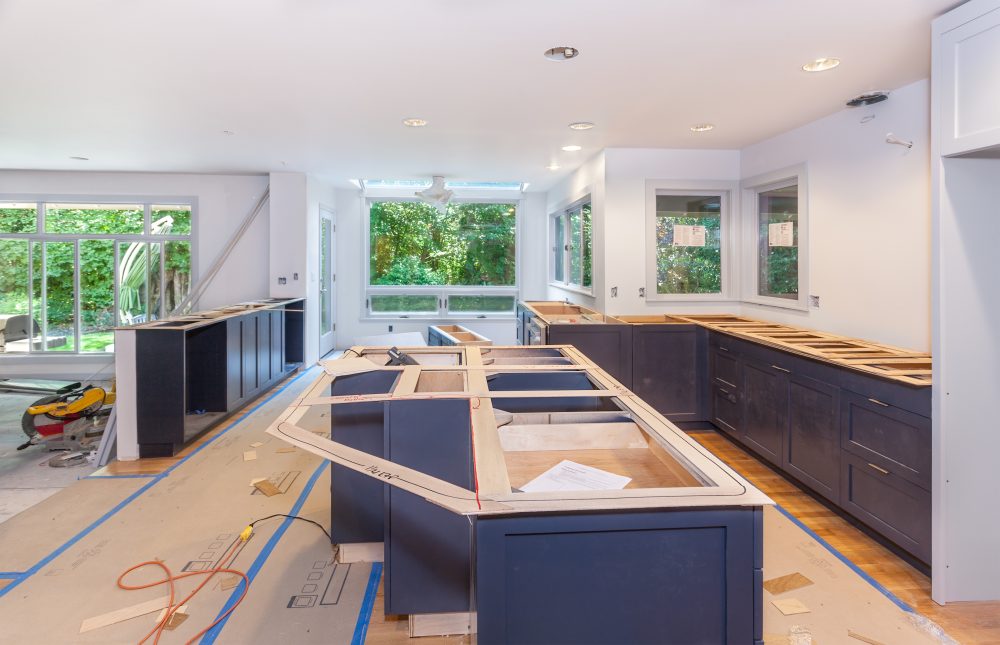
Whole-Home Remodeling vs. Room-by-Room Renovation in DFW
The best remodeling approach depends on how many areas need work and how interconnected those improvements are. A single-room remodel is often practical when the rest of the house functions well. A whole-home renovation becomes more compelling when one project is likely to trigger changes elsewhere.
This is increasingly relevant for homeowners who expect to remain in their homes. According to the 2026 U.S. Houzz & Home Study, 61% of renovating homeowners said they planned to stay in their homes for 11 years or longer, while 44% described their residence as their “forever home.” The study also found that 54% of homeowners renovated in 2025, showing that renovation activity remains strong.
When Should You Renovate the Whole House at Once?
A whole-home renovation is worth considering when three or more major areas need substantial work or when the projects share structural, mechanical, electrical, plumbing, flooring, or design decisions.
Common signs include:
- The kitchen and multiple bathrooms are outdated.
- Flooring needs replacement throughout much of the house.
- Walls need to move to create a better floor plan.
- Plumbing, electrical, HVAC, or lighting upgrades affect several rooms.
- The home has inconsistent finishes from previous renovations.
- Accessibility or aging-in-place improvements are needed.
- Your family needs the entire home to function differently.
- You recently purchased an older property that needs comprehensive updates.
Renovating together allows decisions about cabinetry, countertops, flooring, lighting, paint, fixtures, and architectural details to support one cohesive design rather than becoming a collection of unrelated remodeling projects.
Can a Whole-Home Renovation Be More Efficient Than Separate Remodels?
Yes, renovating connected areas at the same time can reduce duplicated construction work and simplify project coordination. That does not automatically mean the total project will cost less, but it can eliminate some inefficiencies created by repeatedly starting and stopping construction.
For example, remodeling a kitchen this year, replacing flooring next year, and renovating an adjacent living area later could require crews to protect or disturb previously completed work. A coordinated home remodeling plan allows contractors to establish the proper construction sequence from the beginning.
There is also a significant planning component. Houzz research found that homeowners typically spend about twice as long planning renovations as they do in active construction. In its 2024 study, kitchen projects averaged 9.6 months of planning and 5.1 months of construction. A comprehensive plan can help homeowners make interconnected decisions before demolition begins.
What Home Systems Should DFW Homeowners Consider During a Major Renovation?
A whole-home remodel is an ideal time to evaluate systems hidden behind walls, ceilings, and floors before installing new finishes. Electrical, plumbing, heating, cooling, insulation, and ventilation improvements can affect multiple rooms.
Houzz reported that 63% of renovating homeowners made home-system upgrades in 2024. Plumbing and electrical were among the most frequently updated systems.
That consideration can be especially important in North Texas. The National Weather Service describes the Dallas-Fort Worth climate as humid subtropical with hot summers, noting that July and August temperatures consistently reach the 90s and often reach or exceed 100 degrees.
When planning a major DFW home renovation, homeowners may want their remodeling contractor to evaluate:
- HVAC capacity and efficiency
- Insulation and air sealing
- Electrical capacity and lighting
- Plumbing condition and fixture locations
- Windows and exterior openings
- Ventilation and indoor comfort
Addressing necessary infrastructure while walls or ceilings are already open may be more practical than disturbing newly remodeled spaces later.
When Is Remodeling One Room at a Time the Better Choice?
Room-by-room remodeling usually makes more sense when only one or two spaces truly need work, the home’s existing systems are sound, and the projects are largely independent.
For example, a homeowner with an otherwise updated house may simply need a bathroom remodel or new kitchen. Completing a focused project can minimize disruption while concentrating the available budget on the space that matters most.
A phased renovation can also make sense when budget or living arrangements require work to be spread over several years. In that situation, develop a whole-home design plan first. Selecting flooring, cabinet styles, hardware, paint palettes, and other major finishes with future rooms in mind helps prevent the finished house from feeling disconnected.
Planning a Whole-Home Renovation in Dallas-Fort Worth
A successful whole-home remodel begins with scope, priorities, and sequencing, not demolition.
Start by identifying everything you expect to change within the next several years. Separate essential improvements, such as failing systems or functional problems, from cosmetic upgrades. Then determine which projects overlap.
Permitting should also be considered early. Requirements vary across DFW municipalities and depend on the work being performed. The City of Dallas, for example, states that residential permits apply to construction, renovation, or major home repairs and provides specific remodel and energy-code documentation. Fort Worth similarly has a residential remodel permitting process that can require plans and energy-code compliance depending on the scope.
An experienced home remodeling contractor can help identify these requirements before construction begins.
Frequently Asked Questions About Whole-Home Renovations
Is it cheaper to renovate an entire house at once?
Not necessarily. A whole-home renovation has a larger upfront cost because more work is completed at once. However, coordinating related projects may reduce duplicated setup, demolition, protection, scheduling, and finish work compared with repeatedly remodeling connected areas over several years.
Should I renovate my kitchen first or the whole house?
If the kitchen is the only major problem, a focused kitchen remodel may be appropriate. If the kitchen renovation will affect flooring, walls, plumbing, electrical systems, adjoining rooms, or the overall layout, planning a larger home renovation may produce a more cohesive result.
Can you live in a house during a whole-home renovation?
Sometimes, but it depends on the scope. Extensive kitchen, bathroom, electrical, plumbing, flooring, or structural work can make remaining in the house inconvenient or impractical. Discuss construction phases and living arrangements with your remodeling contractor before work begins.
How do I know if my DFW home needs a whole-home remodel?
Consider a whole-home remodel when several rooms are outdated, major systems require work, the floor plan no longer suits your lifestyle, or you expect to renovate multiple areas within the next few years. A professional assessment can help determine whether combining projects is more practical than completing them separately.
Ready to Plan Your DFW Whole-Home Renovation?
If your remodeling wish list extends far beyond one room, it may be time to look at your home as a complete project. Complete Construction can help you develop a coordinated renovation plan that brings your kitchen, bathrooms, living spaces, finishes, and essential home systems together.
Ready for a whole-home renovation in DFW? Contact Complete Construction today to start planning your project.